Truffles have a reputation for being mysterious, expensive and a little intimidating. Spot shaved truffle on a menu, and you might wonder whether the flavour really lives up to the fuss. The honest answer is that truffle tastes as it smells, and once you understand that one idea, everything else gets easier.
If you would like a longer read before you start cooking,
Caviar Star's guide to truffles covers the species, the flavour, and the common uses in more detail. This guide pulls out the essentials.
What Exactly Is a Truffle?
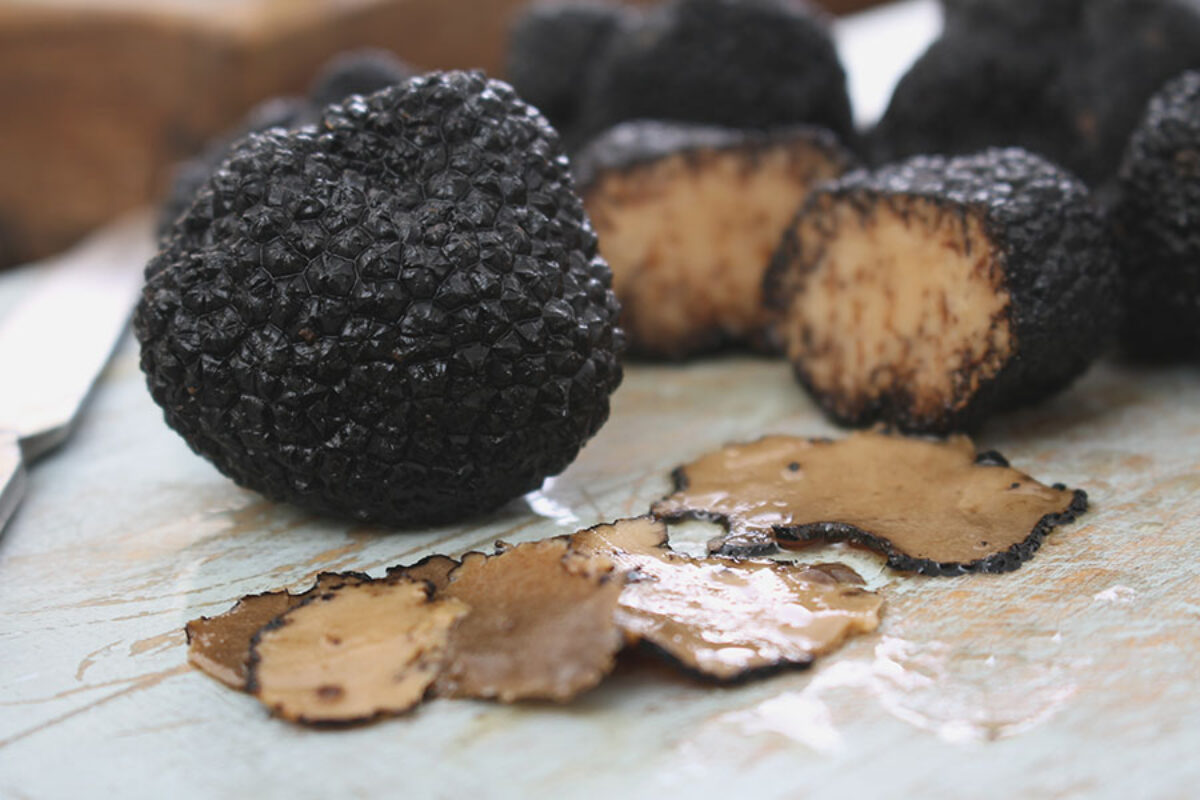
Caviar Star's guide describes many prized culinary truffles as fragrant fungi from the Tuber genus. Truffles grow underground in association with the roots of certain trees, with some of the best-known varieties traditionally found in parts of Europe. Their appearance varies by species, but they are often irregularly shaped with a rough outer surface.
Oregon State University Extension adds the science. A truffle is
the seasonal spore-bearing fruiting body of a perennial fungus, one that partners with tree roots and trades minerals and water for sugar. That relationship with trees explains a lot about why truffles taste the way they do.
So, What Do Truffles Taste Like?
According to Caviar Star's guide, truffles taste the way they smell: oaky, nutty and earthy, sweet and juicy, with stinging savoury notes like black olives. The aroma of a fresh truffle is often stronger than its flavour, which is why the guide compares their complexity to fine wine or cheese.
Truffles share some earthy, musky notes with certain mushrooms, but their flavour and aroma vary considerably between species. Some are more delicate and others much more intense, which is one reason different varieties suit different dishes.
Why Do Two Truffles Taste So Different?
Flavour depends on the tree roots a truffle grows with, the soil, the harvest season and the region. Caviar Star's guide notes that most popular truffles come from France, Italy, Spain and China, with others from the USA, Mexico, Poland, the Netherlands, Australia and New Zealand.
Oregon State shows just how far species can differ. Oregon's native white truffles smell of "garlic, spices and cheese," and the Oregon black truffle's aroma resembles pineapple when it is young. The publication also describes the aromatic compounds as "highly volatile," which is one reason timing matters so much.
Why Freshness Decides Everything
Oregon State explains that truffles harvested before they are mature will not develop the aromas chefs expect. Trained dogs can detect ripe truffles from more than a hundred yards away, and they leave immature ones alone. Even a ripe truffle is only fully fragrant for about a week.
In practice, that means it is worth asking when a truffle was harvested and how it was picked before you buy. A truffle with very little aroma is unlikely to deliver the intense flavour you might expect.
How to Use Truffle Without Wasting It
Many truffles are best used with minimal heat so that their delicate aromas are preserved. Oregon State recommends shaving its native culinary truffles thinly over warm, fatty foods such as eggs, meat, butter or cream sauces, because fat absorbs the aroma so well. Some black truffles can also be incorporated into cooked dishes.
Three easy starting points:
• Soft scrambled or fried eggs, with a few thin shavings added at the table.
• A bowl of buttered pasta, finished just before serving.
• A plate of hot fries with a truffle aioli.
How to Store Fresh Truffles
Oregon State recommends an airtight container with more air than truffles, lined with paper towels, kept in the fridge and kept dry, with no truffle touching another. Stored this way, they last about a week, depending on the species. The same publication notes that foods can also be infused by sealing them in a container with truffles, as long as the two do not touch directly.
A Quick Word on Safety
If you ever forage, Oregon State's advice is blunt: never eat a wild truffle or mushroom unless you have identified it with absolute confidence. Buying from a reliable source is the safer route for most home cooks.
Quick Answers
Are all truffles the same? No. Different species can vary considerably in aroma, flavour, appearance and culinary use, while factors such as the host tree, soil, season and region can also influence their characteristics.
Why do truffles cost more than ordinary mushrooms? Caviar Star's guide says harvest season and region affect price, and that even the more affordable species cost more than typical grocery-store mushrooms.
How long does a fresh truffle last? Oregon State says fully fragrant truffles last about a week, and that careful storage in the fridge helps them keep for around that long.
Your First Truffle Dish
With the basics sorted, the best next step is a simple one. Choose a warm, fatty dish, shave a little truffle over it just before serving and pay attention to the aroma first, because the flavour follows the nose. If you want to read around, Caviar Star's guide is a good place to begin, and you will soon spot the difference a fresh truffle makes.