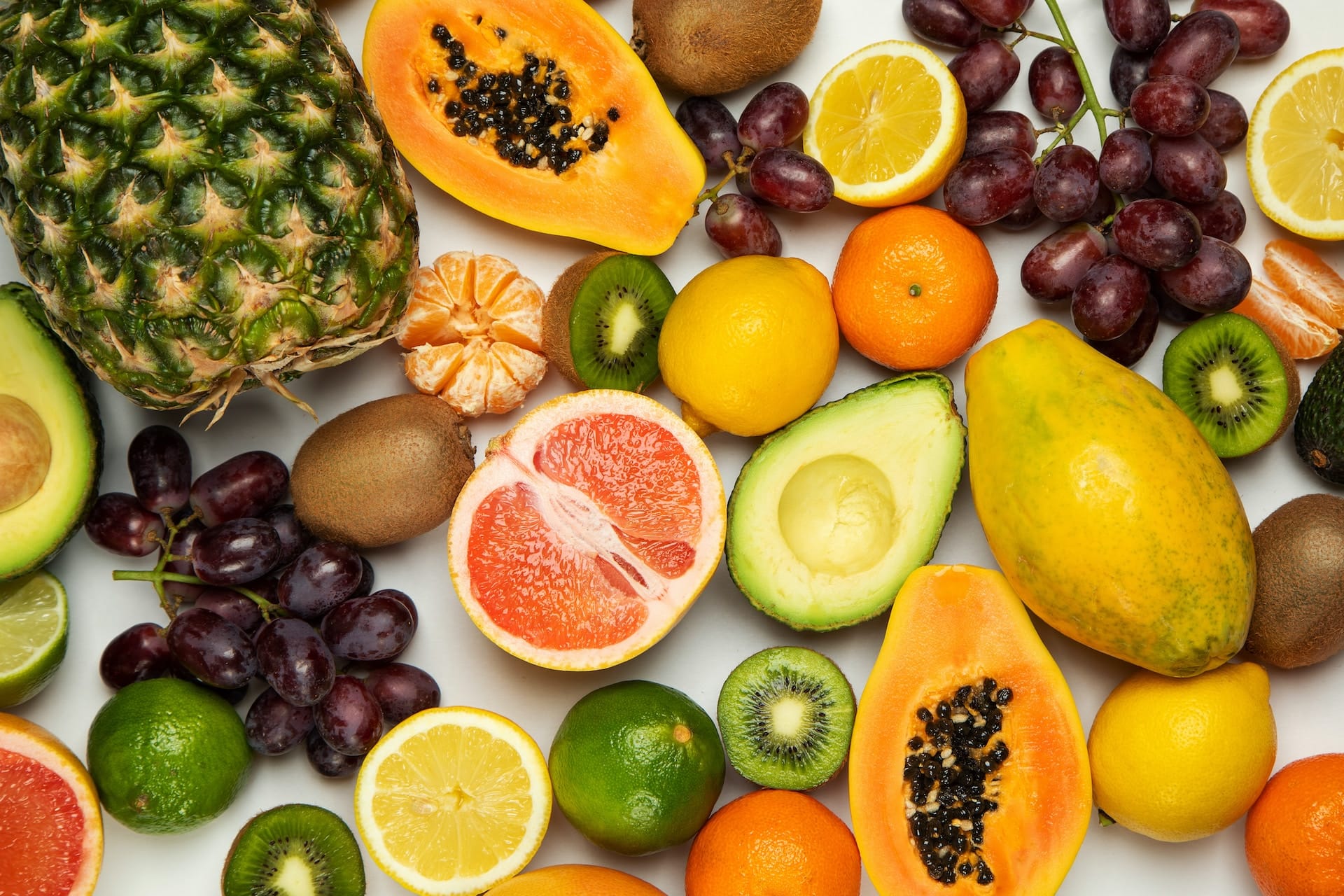
In a world abundant with culinary delights, one of the most exciting and adventurous ways to tantalise your taste buds is by exploring exotic fruits from various corners of the globe. These fruits, often boasting vibrant colours, intriguing textures, and an array of distinct flavours, offer a journey into the diverse and rich tapestry of cultures and ecosystems that make up our planet. From the lush rainforests of Southeast Asia to the arid deserts of South America, exotic fruits are a testament to nature's creativity and innovation.
The Allure of Exotic Fruits
Exotic fruits hold a special allure for both food enthusiasts and curious travellers. Their unique appearances often mirror their intriguing flavours, making them a feast for the senses. As you venture into this world of unusual fruits, you're not only embarking on a gastronomic adventure but also gaining insight into the ecosystems, traditions, and stories of the regions they call home.
Mango: The King of Fruits
Starting our journey in the tropical lands of South Asia, we encounter the undisputed king of fruits - the mango. Celebrated for its delectable sweetness and velvety texture, the mango is deeply intertwined with the cultural fabric of countries like India, Pakistan, and Thailand. With over a thousand varieties, each offering its unique flavour profile, mangoes showcase the incredible diversity of this fruit even within its own category.
Durian: The Divisive Delicacy
Venturing into Southeast Asia, the infamous durian awaits - a fruit known for its polarising aroma and custard-like flesh. While some liken its smell to rotten onions, others adore its rich, complex flavour that marries sweet and savoury notes. Often referred to as the "king of fruits" in Southeast Asia, durian inspires passion and strong opinions among
locals and adventurous travellers alike.
Dragon Fruit: A Splash of Vibrance
From Asia, we move to the Americas to discover the strikingly vibrant dragon fruit, also known as pitaya. With its magenta or yellow outer skin and speckled flesh dotted with tiny black seeds, dragon fruit is a visual delight. Its mild, subtly sweet flavour complements its appearance, making it a favourite ingredient in smoothie bowls, salads, and exotic fruit platters.
Jackfruit: Nature's Meat Alternative
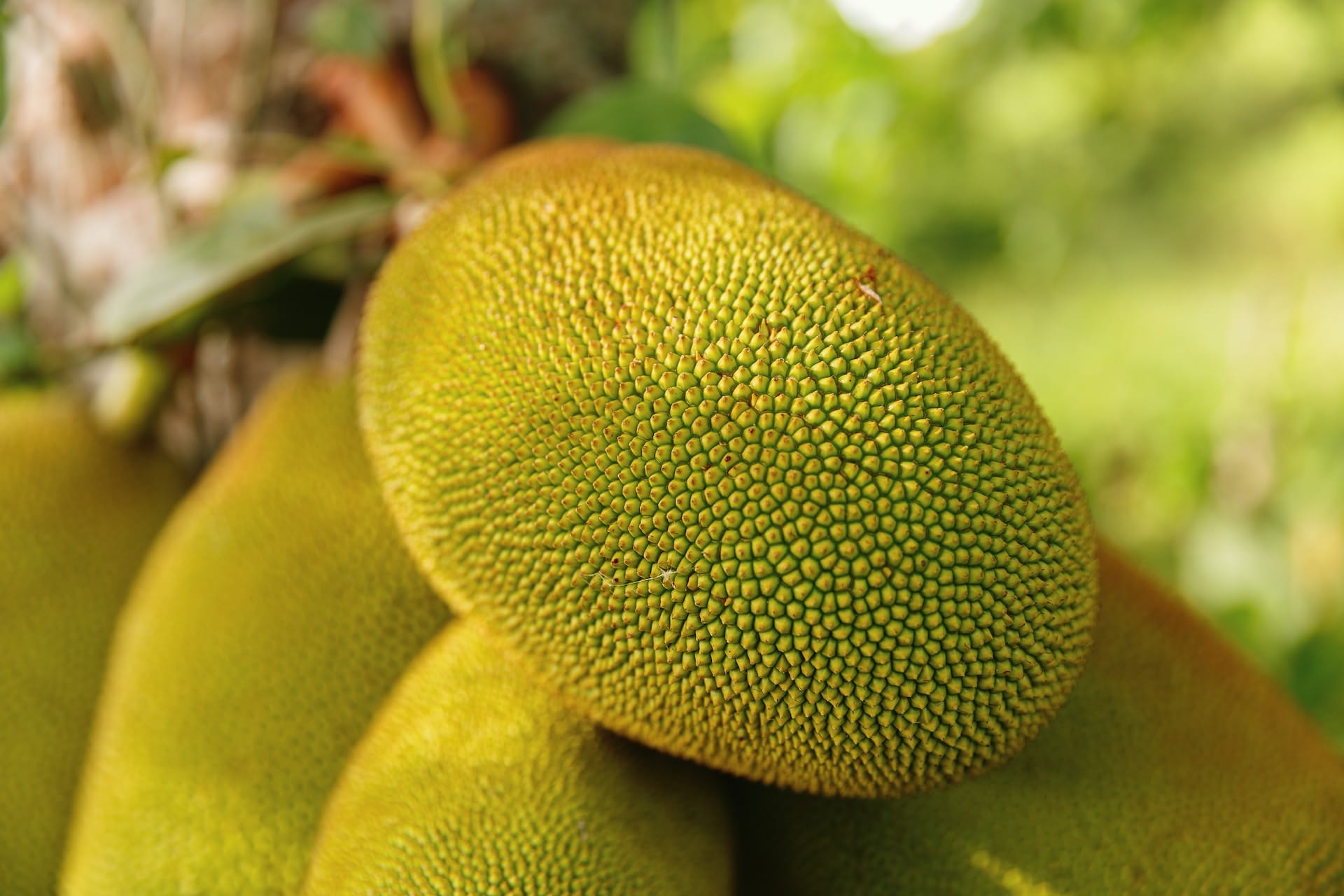
A true gem from the tropical rainforests of India and Bangladesh, jackfruit stands out not only for its enormous size but also for its versatile culinary applications. Often referred to as a "vegetable meat," the unripe jackfruit's fibrous texture makes it an excellent plant-based alternative to meat in savoury dishes like curries and tacos.
Rambutan: The Hairy Jewel
Hailing from Southeast Asia, rambutan is a fruit that wouldn't be out of place in a fantasy novel. Its hairy exterior gives it a distinct appearance, but beneath the spiky surface lies a juicy and sweet flesh reminiscent of lychee. Rambutan's unique combination of taste and texture showcases the natural diversity found in exotic fruits.
Passion Fruit: Tropical Elegance
With its wrinkled outer shell and aromatic scent, passion fruit embodies the essence of the tropics. The jelly-like pulp, filled with black seeds, strikes a balance between sweet and tart, creating a captivating contrast of flavours. Widely used in desserts, beverages, and sauces, passion fruit adds a touch of sophistication to culinary creations.
Mangosteen: The Queen of Fruits
Known as the "queen of fruits," mangosteen is native to Southeast Asia and offers a symphony of delicate flavours. Its thick, purple rind hides juicy, snow-white segments that taste like a blend of peach, citrus, and lychee. Long revered for its potential health benefits, mangosteen's sweet and tangy profile is a true treasure of exotic fruit exploration.
The Culinary and Cultural Significance
Exotic fruits extend beyond their flavours and appearances; they carry cultural, historical, and ecological significance. Many of these fruits are integral to local cuisines, religious rituals, and traditional medicine. Exploring the history and context behind these fruits can deepen our appreciation for the role they play in shaping societies and connecting us to
distant cultures.
In some regions, exotic fruits are a source of economic prosperity, providing livelihoods for
farmers and communities. They contribute to biodiversity and ecosystem health, showcasing the intricate relationship between nature and human sustenance.
Embrace the Adventure
Embarking on a journey to explore exotic fruits is an adventure that goes beyond taste. It's an opportunity to broaden your horizons, connect with cultures, and appreciate the beauty of nature's creations. Whether you're savouring the creaminess of a ripe mango or summoning the courage to try a durian, each fruit has a story to tell and a flavour to share. So, next time you're presented with the chance to delve into the world of exotic fruits, remember that you're not just eating; you're immersing yourself in the rich tapestry of global culinary diversity.