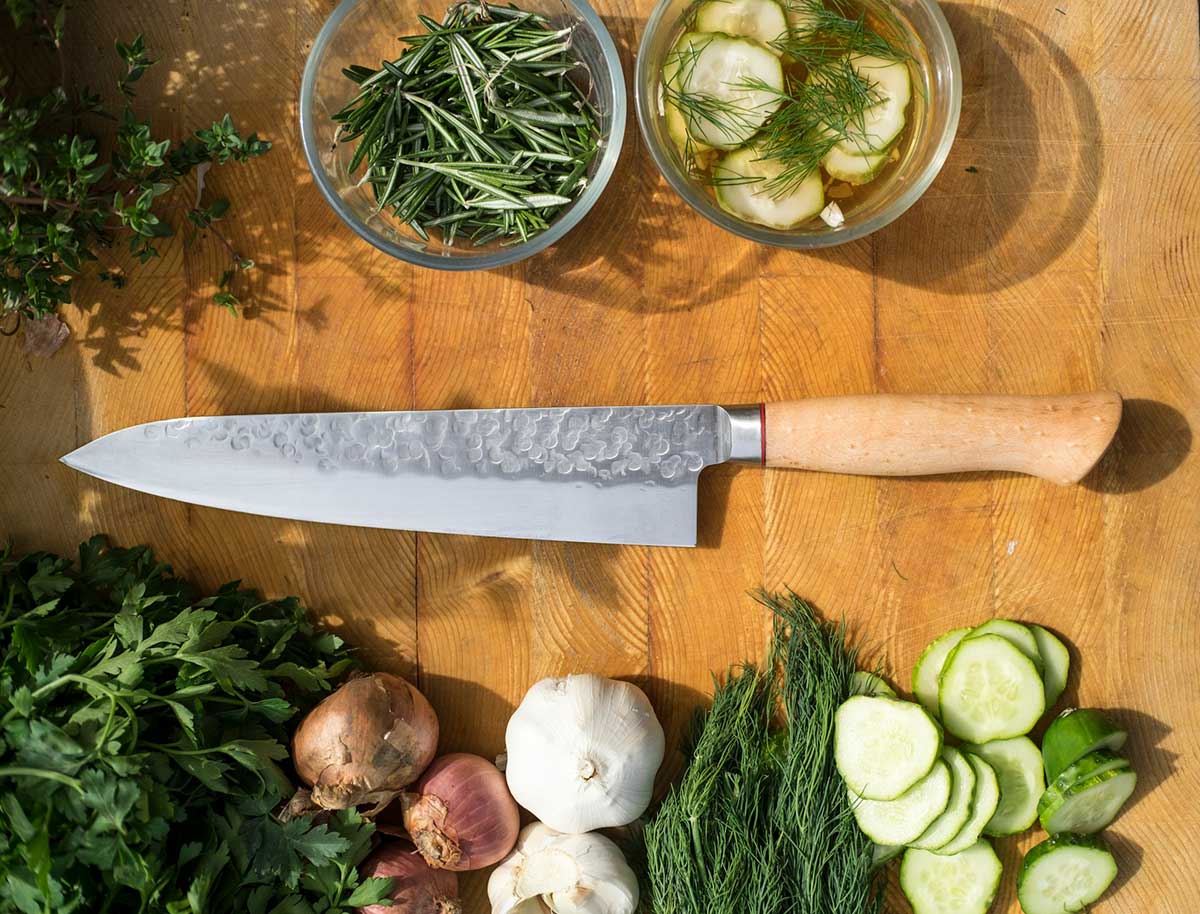
Whether you’re a home chef or an aspiring culinary artist, every kitchen needs a reliable knife set. Maintaining a sharp blade not only makes meal prep quicker and easier but also plays an important role in safety.
Dull knives are
more likely to lead to injuries because they require extra pressure to cut through food. Knowing how often to sharpen your knives is a key part of kitchen maintenance, and this guide will help you keep your blades in top condition.
Know the Difference Between Honing and Sharpening
One of the first things you’ll need to know about knife sharpening is the difference between
honing steel vs. sharpening steel. Professional knife sets often come with a special rod that you use for honing. When you hone a knife, you restore the edge to its ideal alignment for cutting safely and cleanly.
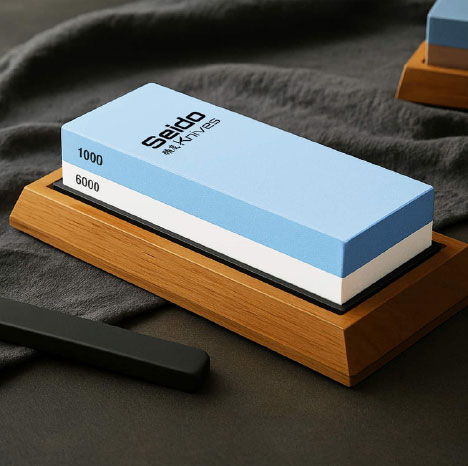
Sharpening, on the other hand, restores the blade’s actual sharpness. Whetstones are commonly used, but you might also find other sharpening tools that help bring back the knife’s slicing power. Because sharpening removes a small layer of metal, it doesn’t need to be done as often as honing.
 Understand the Factors That Influence Sharpening Frequency
How often you sharpen your knives depends on several factors. Naturally, someone who cooks daily will need to sharpen more often than someone who orders take-out most of the week.
Professional chefs may sharpen their knives every couple of weeks or once a month. Home cooks, however, can often go six months to a year between sharpening sessions, especially if they hone regularly.
Using a
honing rod every few times you cook helps maintain a fine edge for longer. Cutting softer foods also reduces wear, while using your knives on hard materials like glass or ceramic boards will dull the blade faster.
Whenever possible, use wooden or plastic cutting boards, as they’re gentler on the metal and help preserve sharpness.
Recognise the Signs of a Knife That Needs Sharpening
Experienced chefs can often feel when a knife is dull, but home cooks might need clearer signs. If your knife struggles to slice cleanly through tomatoes or onions, crushing them instead, it’s time for sharpening.
You may also notice visible nicks or dull patches on the blade. When you first get a
new knife, take note of its smooth, even edge under light. Over time, small imperfections or changes in reflection can indicate it’s losing its edge.
Heavy use, such as preparing large meals or cutting through bones, will also accelerate dulling. Trust your senses; once you get used to your knife’s normal performance, you’ll recognise when it needs attention.
Learn How to Sharpen Your Knife Properly
You can choose from several tools, but typically,
a whetstone is a better option than electric sharpeners. Using a stone gives you full control over the angle and pressure, reducing unnecessary metal loss and preserving the knife’s lifespan.
To prepare a whetstone, soak it in water for 10–15 minutes. Hold the knife at a 15–20-degree angle and glide it smoothly across the stone from heel to tip. Repeat evenly on both sides.
After sharpening, rinse the blade, dry it, and test it on a tomato or piece of paper. A sharp knife should glide through effortlessly.
Preserve Your Knife’s Sharp Blade
Once your knives are sharp, take steps to keep them that way:
- Handwash only – Dishwashers can damage the metal and handle.
- Store properly – Use a magnetic or wooden knife block instead of a drawer.
- Protect when travelling – A roll bag made from canvas or leather helps prevent blade damage.
These small habits extend your knife’s life and keep your kitchen routine smooth and safe.
Choose High-Quality Knives for Your Kitchen
Quality knives are an investment. Look for blades made from
high-carbon steel or similarly durable materials that can withstand regular sharpening. Starting with a well-made knife ensures each honing or sharpening session restores it to perfect form.
A sharp, balanced knife doesn’t just make cooking easier, it makes it more enjoyable.